
All Articles
Filter by Category
Archive
- Tradecraft & Analyst Skills
- Productivity & Reporting
- Generative AI
- Writing & Communication
- Cyber Threats & Security
- Humans & AI
- Search & Discovery
- Help Center
- emergency response
- geopolitical
- Live Events
- OSINT
- Popular
- Templates
- Wild Dog AI Podcast
- Corporate
- Finance
- Medical
- Communication Strategy
- Politics
- Private Investigation
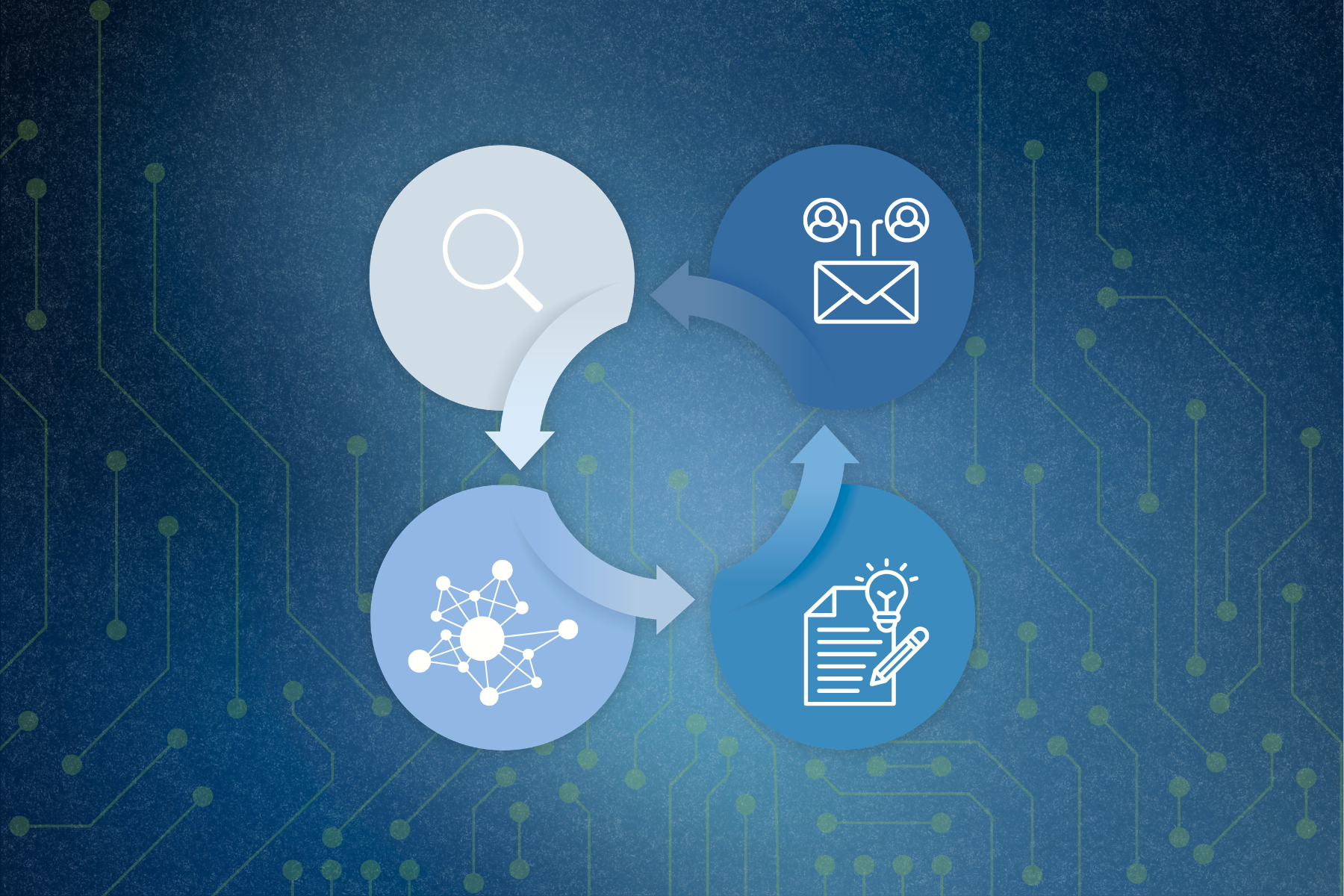
What Is an AI SITREP? How Teams Generate Situational Reports Automatically
Is "AI SITREP" a real category, or just ChatGPT dressed up in operational language? It's real — but the difference between the two comes down to process, not vocabulary. See what actually separates a structured, source-grounded situational report from notes pasted into a chatbot, and why that distinction matters the moment someone challenges a claim.
Tips for Fine-Tuning Report Templates in Indago
Most disappointing AI-generated reports don't have a model problem — they have a configuration problem. See how three decisions made before you click generate (persona, outline, and section-level model selection) determine whether your first draft is genuinely useful or just technically competent.

Designing a Repeatable Briefing Process for Intelligence
Analysts aren't losing time to bad instincts — they're losing it to rebuilding the same source collections, templates, and reviews from scratch every cycle. Here's why consistency in intelligence output is an infrastructure problem, not a discipline one, and what changes when the scaffolding actually holds.

The After-Action Report Nobody Reads, & How to Fix It
Most after-action reports end up in a shared drive folder that nobody opens twice. They arrive too late, cover too much ground, and leave the reader doing the analytical work the report was supposed to do for them. This post follows Ted — an analyst who cracks the AAR problem not through better writing, but through a smarter workflow — and breaks down exactly how he produces structured, readable, actionable after-action reports in under an hour.
When AI Becomes the Source: Why Analysts Matter More Than Ever
The CNN vs. Perplexity lawsuit is about copyright on the surface. Underneath, it points to something more consequential: a growing number of professionals are consuming information through AI summaries rather than original sources. This post examines what gets lost in that compression — nuance, caveats, uncertainty, competing perspectives — and why analyst judgment has never been more important than it is right now.
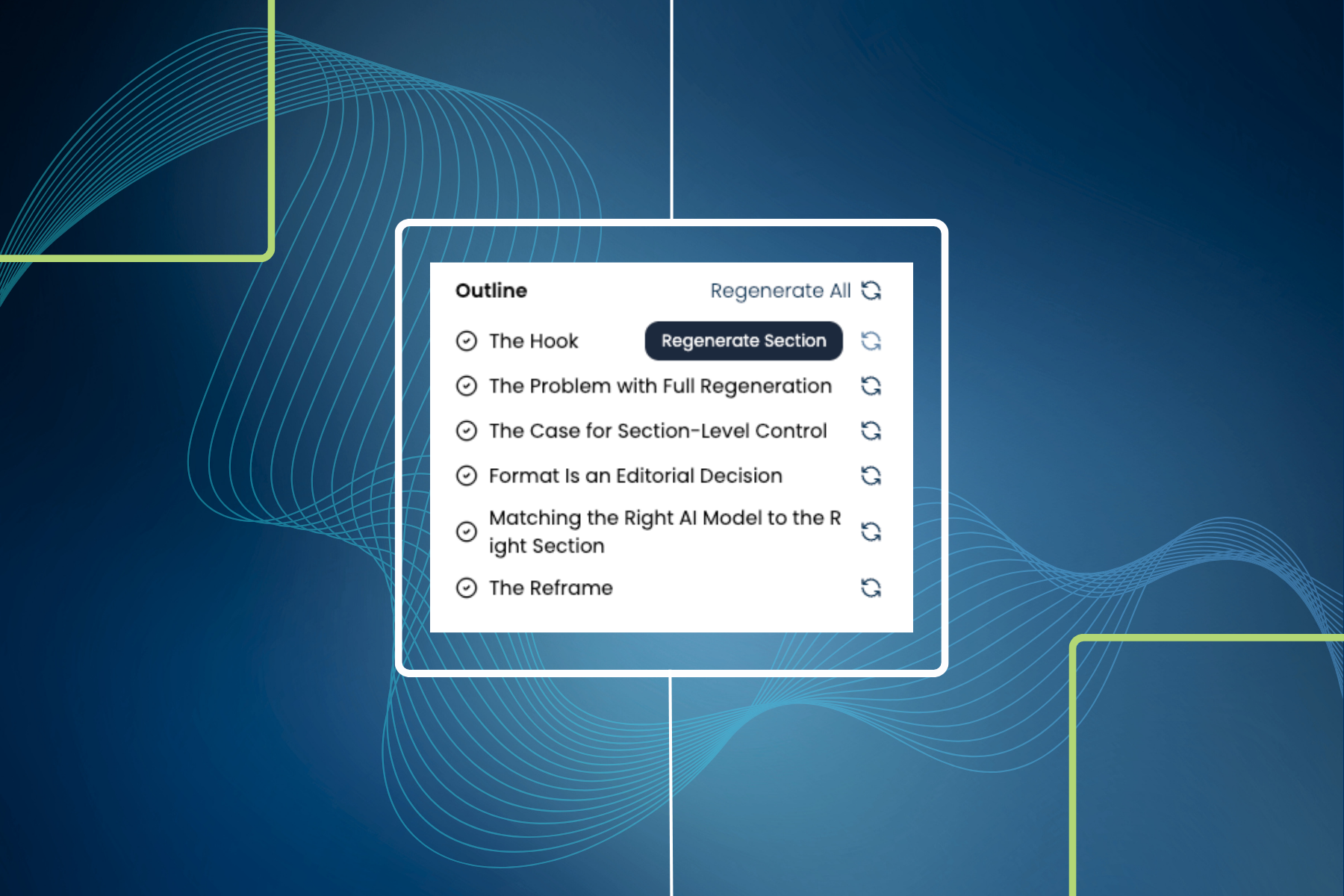
Why Section-Level Regeneration Produces Better AI Reports
Most analysts have been there: one weak section in an otherwise solid report, and the temptation to hit regenerate and start fresh. The problem is that full regeneration treats every section as equally flawed — wiping out verified work to fix one paragraph. This post breaks down why section-level control produces better reports, how targeted instructions outperform global rewrites, and how matching the right AI model to the right section changes the quality of the final product.

How to Use Indago's Co-Pilot to Search Smarter and Draft Faster
Co-Pilot is one of Indago's most versatile features — and one of the most underutilized. This guide covers what Co-Pilot actually is, what it isn't, and how to use it effectively across three stages of the reporting workflow: searching, drafting, and editing. Whether you're translating a natural language query into a structured search, building a template from scratch, or stress-testing a draft section against your source collection, Co-Pilot is most powerful when the analyst stays in control and directs it with clear intent.
Why Intelligence Analysts Are Moving Away from Word Documents for Report Writing
Word was built for document creation — not intelligence reporting. The copy-paste sourcing workflow breaks attribution trails. Version proliferation creates invisible coordination failures. Formatting overhead eats analyst time that should go toward analysis. And when a report is finalized, the reasoning behind it disappears with the analyst who wrote it. This piece breaks down the four structural failure points of the Word-based reporting workflow and what a purpose-built alternative actually looks like.
Intelligence Report vs. Intelligence Brief: What's the Difference and When Do You Use Each?
Intelligence reports and executive briefs serve fundamentally different purposes, but many analysts default to one format out of habit rather than choosing based on what the situation actually requires. This guide defines both formats clearly, breaks down the key distinctions across audience, purpose, length, and structure, and gives analysts a four-question decision framework for choosing the right one every time. It also covers a workflow approach in Indago that lets you produce both formats simultaneously from the same source collection — no duplicate work required.
How to Build Your First Intelligence Report in Indago: A Step-by-Step Walkthrough
Building your first intelligence report in Indago comes down to a series of clear, manageable decisions. This walkthrough shows exactly how to move from source selection to a structured, fully sourced draft, then refine it into a finished report. You’ll see how templates, models, and editing tools fit together in a real workflow. By the end, you’ll know what to do at every step.