
All Articles
Filter by Category
Archive
- Tradecraft & Analyst Skills
- Productivity & Reporting
- Generative AI
- Writing & Communication
- Cyber Threats & Security
- Humans & AI
- Search & Discovery
- Help Center
- emergency response
- geopolitical
- OSINT
- Live Events
- Popular
- Templates
- Wild Dog AI Podcast
- Corporate
- Finance
- Medical
- Communication Strategy
- Politics
- Private Investigation

Reducing Cognitive Load in Intelligence Work: Tools, Tactics, and Tradeoffs
Workers who report the largest AI productivity gains also report the most burnout, and BCG has named the mental fatigue that comes from overseeing AI output. In intelligence and security work, cognitive load builds from routine volume, tool sprawl, report production, and the effort of checking AI drafts against their sources. This piece covers four ways to reduce it while the analyst keeps control of judgment and review.
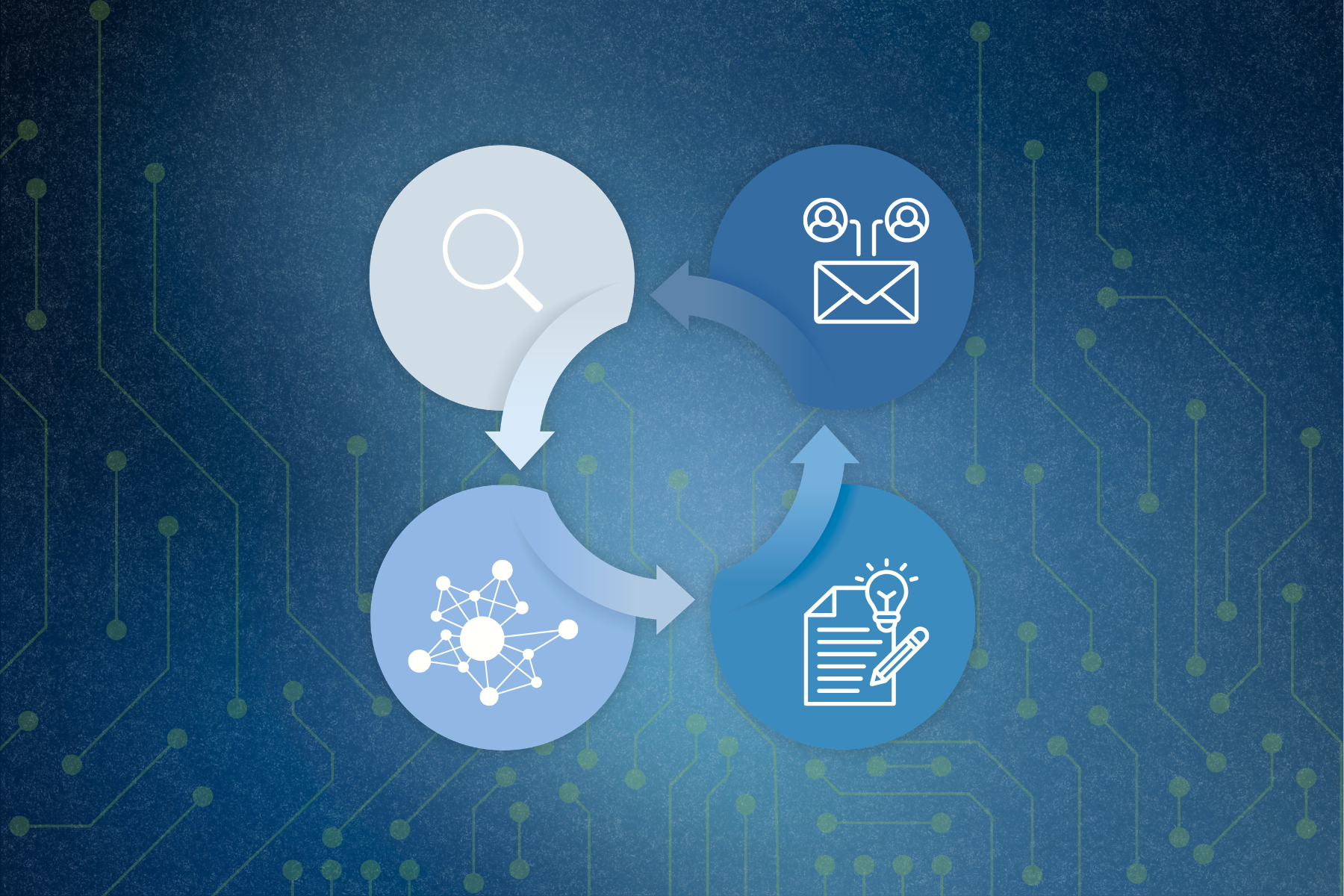
What Is an AI SITREP? How Teams Generate Situational Reports Automatically
Is "AI SITREP" a real category, or just ChatGPT dressed up in operational language? It's real — but the difference between the two comes down to process, not vocabulary. See what actually separates a structured, source-grounded situational report from notes pasted into a chatbot, and why that distinction matters the moment someone challenges a claim.
10 Reports Compliance Officers Can Create Faster With Indago
A finding that can't be traced to a source. A screening report with no timestamp. Two team members producing different outputs from the same research. None of these look like a crisis until a regulator asks to see the work behind the work. See how ten of the reports compliance teams produce most often — sanctions screenings, AML/KYC summaries, whistleblower investigations, and more — can be made faster and harder to challenge in an audit room.
How High-Performing Intelligence Teams Cut Reporting Time Without Cutting Corners
Five habits are quietly draining hours from every intelligence reporting cycle: scattered data sources, rebuilding report structure from scratch, version chaos in shared drives, citations chased down after the fact, and one AI model forced to write every section. None of them look like a problem until deadline pressure makes them one. Here's what closing each one actually looks like.
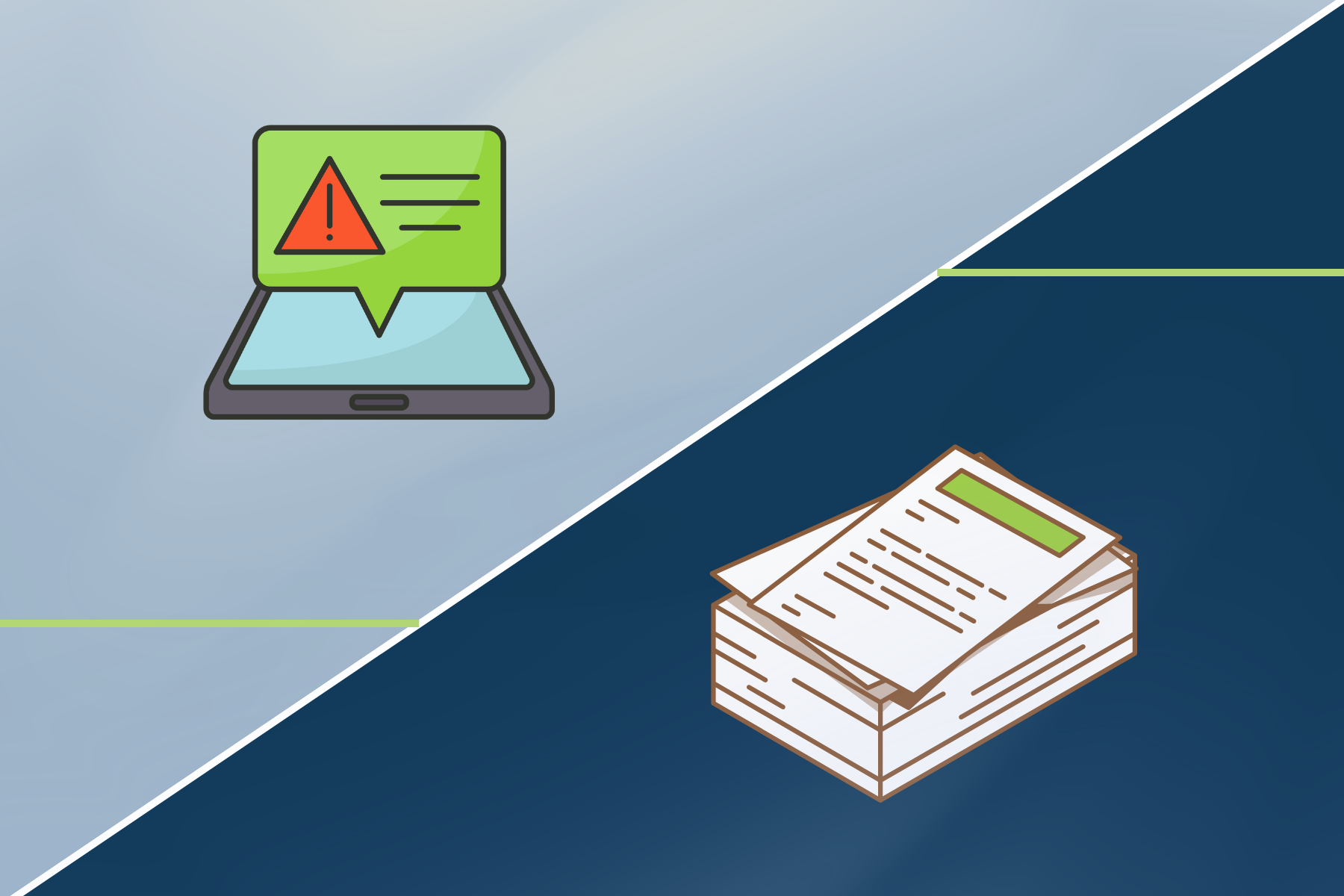
When the Incident Hits: How Security Teams Document Events Without Slowing Response
The alert fires at 2:17 AM, and documentation loses to response every time — it has to. But by the time the incident's contained and there's finally a quiet moment to write it up, the details have already started to blur. See what it actually looks like to capture a defensible timeline while an investigation is still live, instead of reconstructing one from memory the next morning.
9 Reports Supply Chain Risk Analysts Can Create Faster With Indago
Sanctions screening, ESG summaries, single-source dependency reports — supply chain risk analysts are expected to produce all of it fast, defensibly, and often on no notice. Here are nine of the most common report types these teams build, and what changes when the research bottleneck stops eating the hours that should go to analysis.

Intelligence Reporting for NGOs Operating in High-Risk Environments
A three-person NGO security team is expected to produce the same structured, multi-stakeholder reporting as a fully-staffed government operation — same checkpoints, same stakes, a fraction of the people. Here's what a lean, analyst-controlled reporting workflow actually looks like for teams that can't afford a full GSOC.

Campus Security Teams Are Building Intelligence Functions. What Does That Actually Require?
Campus security teams are now expected to run behavioral threat assessments, monitor online grievance narratives, and plan for predictable flashpoints — all with a fraction of the staff a dedicated intelligence unit would have. Here's what closing that gap actually requires, and where AI helps versus where it doesn't.
Designing a Repeatable Briefing Process for Intelligence
Analysts aren't losing time to bad instincts — they're losing it to rebuilding the same source collections, templates, and reviews from scratch every cycle. Here's why consistency in intelligence output is an infrastructure problem, not a discipline one, and what changes when the scaffolding actually holds.

The 4:45 PM Tasker: How Analysts Use GenAI When Leadership Needs Answers Before COB
At 4:47 PM, Mira gets a Slack message: leadership needs a geopolitical intelligence brief on the South Caucasus, presentation-ready, by close of business. This post walks through exactly how she builds it — from scoping the intelligence question to curating a source collection, generating a structured first draft, and delivering a fully cited, defensible product in under two hours.

Breaking News, No Context: How Intelligence Teams Handle Fast-Moving Events Without Guessing
When a breaking physical security event hits, the information environment doesn't get clearer as more data arrives — it gets noisier. Rumor, speculation, and verified reporting arrive in the same feeds at the same speed, and the pressure to produce something fast is exactly when the worst intelligence mistakes get made. This piece follows Leo, a crisis intelligence analyst, through the four-stage workflow that separates defensible analysis from educated guessing: triaging before typing, building an attributed collection under pressure, generating a confidence-calibrated first draft, and reviewing with the skepticism the moment demands.
The Real ROI of Faster Intelligence Reports: It's Not Just Time Savings
When intelligence teams justify reporting tools, the argument almost always centers on hours saved. That metric is real — but it captures only the most visible layer of the value. This piece makes the fuller case: how report accuracy affects the quality of decisions made from it, how faster reports compress the window between an event and an organizational response, how consistent quality builds analyst credibility with leadership over time, and how reporting infrastructure that preserves institutional knowledge compounds in value with every cycle.
How to Audit Your Current Reporting Workflow Before You Adopt Any New Tool
Most tool evaluations fail before they start — not because the software isn't capable, but because teams don't actually know where their current workflow is breaking down. Run this audit before your next vendor demo and you'll ask sharper questions, evaluate more honestly, and make a decision that actually sticks.
Onboarding a New Analyst? Here's How to Use Your Existing Report Archive as a Training Asset
When an experienced analyst leaves, they take more than their expertise — they take the reasoning, source logic, and analytical judgment that made their work credible. This piece breaks down how intelligence teams can use their existing report archive, templates, and source collections as a structured onboarding asset, so new analysts inherit a tested framework instead of starting from scratch. The result is faster ramp time, more consistent output, and institutional knowledge that compounds instead of walking out the door.

Geopolitical Risk Is Now an Enterprise Risk Problem
Across boardrooms from Fortune 500 companies to emerging enterprises, a new question is gaining traction: should we hire a Chief Geopolitical Officer?
The organizations that integrate geopolitical risk assessment into their existing enterprise risk frameworks today will emerge as the trusted advisors when the next crisis hits.
Are AI-Generated SITREPs Reliable? Verification, Sources, and Human Oversight
AI-generated situation reports achieve reliability through systematic verification, not through AI sophistication alone. Organizations that implement structured oversight processes consistently produce trustworthy AI intelligence products.
The Research Assistant That Doesn’t Forget: How Teams Build Institutional Knowledge Inside Indago
Intelligence operations are only as strong as the institutional knowledge that supports them. When critical processes, templates, and analytical frameworks live solely in individual analysts' heads, organizations face an inevitable choice: accept constant reconstruction of workflows or build systems that preserve and compound knowledge over time.

AI Was Supposed to Save Time. Why Are Teams Busier Than Ever?
The promise of AI was simple: automate routine tasks, free up analysts for higher-value work, and finally give teams the breathing room they've been seeking. Instead, many organizations find themselves caught in a productivity paradox—doing more work, not better work.
The 30-Minute SITREP: How Teams Turn Daily Intelligence Updates Around Before Standup
Teams using Indago report consistent 70% reductions in SITREP production time, with some achieving the full 30-minute target within their first week of implementation. The time savings are strategic, allowing analysts to dedicate more attention to emerging threats and deeper analysis.
What Makes a Modern Intelligence Reporting Platform (& Why Legacy Tools Fall Short)
Modern intelligence work demands more than stitched‑together tools and static documents. Teams using Indago report measurable improvements—AI‑generated first drafts that are 75–85% complete, 7+ days saved on complex products, and roughly 30% reductions in per‑report production costs—while keeping analysts firmly in control.