
All Articles
Filter by Category
Archive
- Tradecraft & Analyst Skills
- Productivity & Reporting
- Generative AI
- Writing & Communication
- Cyber Threats & Security
- Humans & AI
- Search & Discovery
- Help Center
- emergency response
- geopolitical
- OSINT
- Live Events
- Popular
- Templates
- Wild Dog AI Podcast
- Corporate
- Finance
- Medical
- Communication Strategy
- Politics
- Private Investigation

A Generation of Analysts Is Learning to Use AI Before They Learn to Think Like Analysts
AI fluency and analytical judgment aren't the same skill — and right now, one is being trained at the expense of the other. Here's what's actually being lost as teams race to adopt AI, and what it takes to build analysts who think with AI instead of just using it.

What the First LLM-Driven Intrusion Means for SOC Reporting Workflows
On May 10, 2026, Sysdig documented the first known intrusion in which an LLM agent drove every decision in the post-exploitation phase — from initial access to a fully exfiltrated internal database — in under sixty minutes. This post breaks down what actually happened, why it represents a genuine category shift in the threat landscape, and what it means for the SOC reporting workflows that were built for a slower kind of adversary.

The 4:45 PM Tasker: How Analysts Use GenAI When Leadership Needs Answers Before COB
At 4:47 PM, Mira gets a Slack message: leadership needs a geopolitical intelligence brief on the South Caucasus, presentation-ready, by close of business. This post walks through exactly how she builds it — from scoping the intelligence question to curating a source collection, generating a structured first draft, and delivering a fully cited, defensible product in under two hours.
What Happens When Your Intelligence Tool Goes Down During an Active Incident
At 2:31 AM, the intelligence platform goes offline. The analyst still has raw telemetry and endpoint logs — but the analytical layer tying it all together is gone. This post walks through what platform failure actually costs during an active incident, what mission-critical continuity requires from any AI intelligence tool, and the six questions every procurement team should be asking before they sign a contract.
AI SITREPs for SOC Teams, Fusion Centers, and Security Operations
A SITREP is only useful if it arrives before the window for action closes — and producing one manually under time pressure has always been the hardest part. This post breaks down how AI-assisted reporting changes the production workflow for three distinct security environments: SOC teams managing active incidents, fusion centers reconciling multi-agency source streams, and enterprise security operations maintaining consistency at scale.
When AI Becomes the Source: Why Analysts Matter More Than Ever
The CNN vs. Perplexity lawsuit is about copyright on the surface. Underneath, it points to something more consequential: a growing number of professionals are consuming information through AI summaries rather than original sources. This post examines what gets lost in that compression — nuance, caveats, uncertainty, competing perspectives — and why analyst judgment has never been more important than it is right now.
The Watchfloor Approach to Brand Intelligence
Most organizations treat reputation management as a communications function: monitor casually, react when something breaks, issue a statement, move on. But in a threat environment where a coordinated disinformation campaign can generate press coverage before the morning standup is over, that posture isn't enough. This post applies the operational logic of an intelligence watchfloor — continuous monitoring, structured assessment, rapid escalation — to brand risk, and walks through a four-stage intelligence cycle that turns reputation management from a reactive cleanup exercise into a proactive discipline.
Brand Intelligence Isn't Just for Marketing Anymore
Brand risk isn't a marketing problem anymore. A deepfake, a data breach, or a coordinated disinformation campaign can trigger consequences across security, legal, investor relations, and HR simultaneously. Here's why cross-functional brand intelligence is now a mission-critical input — and what it looks like when it works.
What Happens When You Run Intelligence Reporting Through ChatGPT Instead of a Controlled Platform
General-purpose LLMs like ChatGPT are fast, accessible, and genuinely useful for early-stage research. They are also structurally unreliable for professional intelligence reporting — generating confident-sounding text that may have no grounding in a verifiable source, with no citation trail, no audit record, and no way to reproduce the output six months later when someone asks where it came from. This piece examines three dimensions where the two approaches diverge most sharply: hallucination risk, source attribution, and audit trail — and offers a clear framework for deciding which tool belongs where in a professional intelligence workflow.
How to Use Indago's Co-Pilot to Search Smarter and Draft Faster
Co-Pilot is one of Indago's most versatile features — and one of the most underutilized. This guide covers what Co-Pilot actually is, what it isn't, and how to use it effectively across three stages of the reporting workflow: searching, drafting, and editing. Whether you're translating a natural language query into a structured search, building a template from scratch, or stress-testing a draft section against your source collection, Co-Pilot is most powerful when the analyst stays in control and directs it with clear intent.
Can AI Be Trusted for OSINT? Bias, Hallucinations, and Verification Methods Explained
AI hallucinations occur when language models generate information that sounds authoritative and well-sourced but has no basis in reality.
Indago’s built-in bias detection flags these patterns in generated text before they reach a finished report. It identifies patterns that suggest sentiment bias, confirmation bias, or selection bias, alerting analysts to sections that may require additional scrutiny.
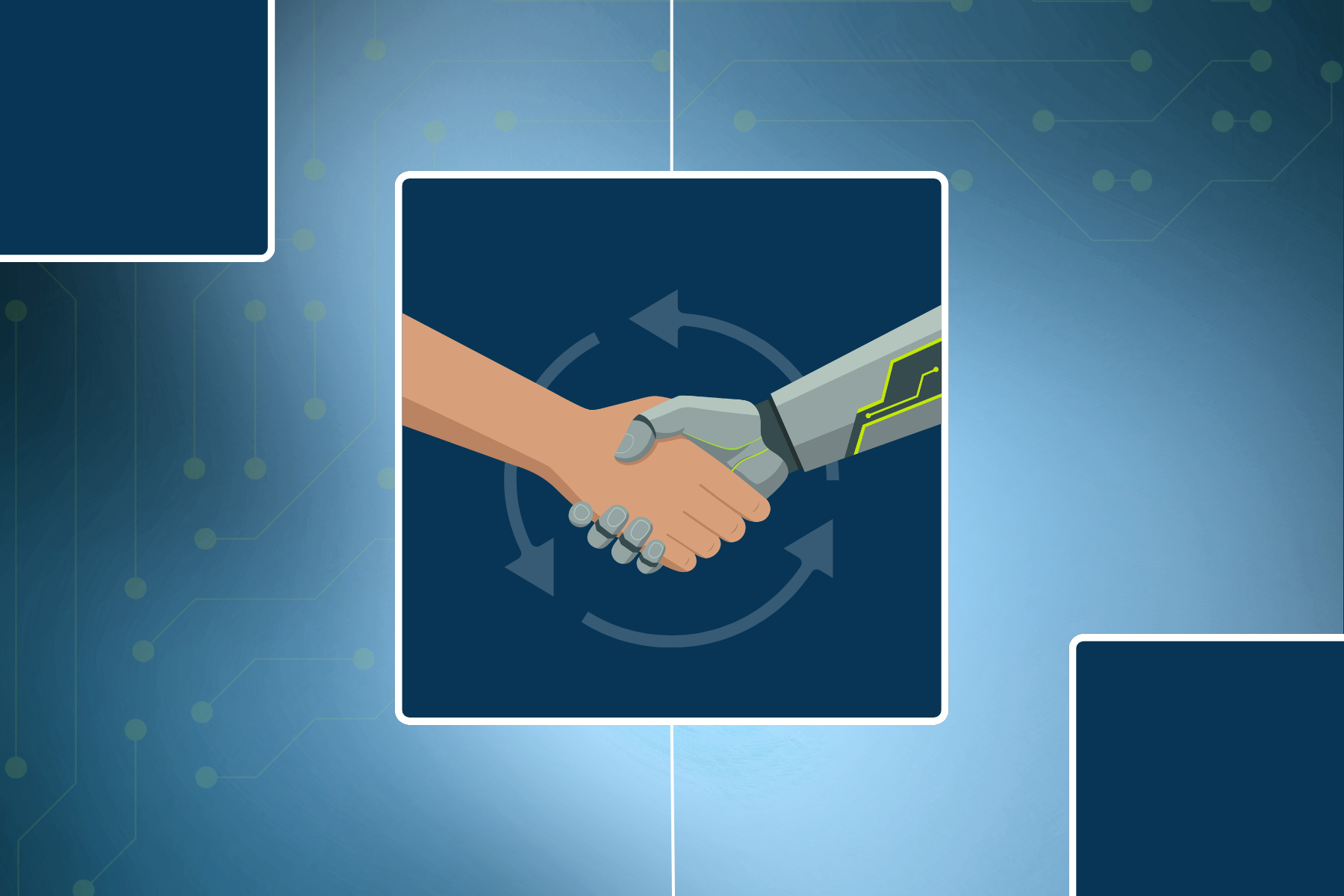
Why Human-in-the-Loop AI Is Essential for Intelligence and Security Operations
As AI adoption accelerates across intelligence and security operations, many organizations measure success by how many humans they remove from the workflow. In high-stakes environments, that approach creates serious risk. Yet this framework fundamentally misunderstands productivity in intelligence environments, where the cost of error far exceeds the cost of human oversight.
Are AI-Generated SITREPs Reliable? Verification, Sources, and Human Oversight
AI-generated situation reports achieve reliability through systematic verification, not through AI sophistication alone. Organizations that implement structured oversight processes consistently produce trustworthy AI intelligence products.

AI Was Supposed to Save Time. Why Are Teams Busier Than Ever?
The promise of AI was simple: automate routine tasks, free up analysts for higher-value work, and finally give teams the breathing room they've been seeking. Instead, many organizations find themselves caught in a productivity paradox—doing more work, not better work.